Shopping Cart
There are no more items in your cart



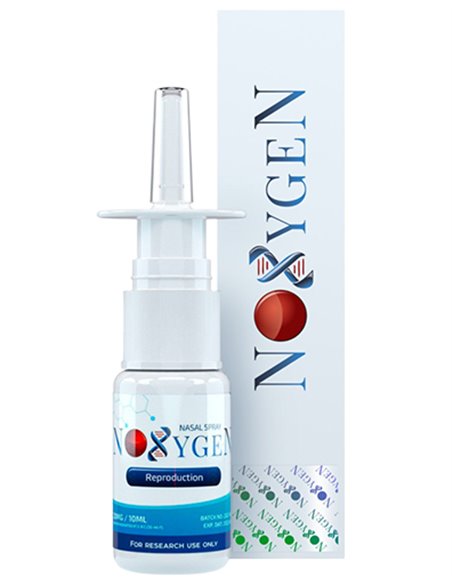
Kisspeptin is an endogenous human protein essential for signaling puberty and reproductive hormones. Consequently, mood and behavior are altered, angiogenesis is stimulated, and kidney function is better regulated. Furthermore, the peptide's ability to influence gonadotropin-releasing hormone is of great scientific interest.
WHAT DOES KISSPEPTIN DO?
Kisspeptin stimulates the release of gonadotropin-releasing hormone (GnRH), which subsequently causes the pituitary gland to secrete luteinizing hormone and follicle-stimulating hormone, which directly influence the production of testosterone and estradiol.
Several scientific studies have shown that kisspeptin may suppress cancer proliferation.
A recent study has shown that it also influences metabolic regulation. Researchers believe that kisspeptin mediates the regulation of food intake, glucose homeostasis, and reproductive function. Furthermore, kisspeptin has the ability to directly regulate energy balance and metabolism.
Kisspeptin and Fertility
Insufficient levels or function of kisspeptin can lead to difficulties. Infertility in both men and women can be caused by hormonal imbalances. When this occurs in women, it can lead to further hormonal imbalances and the inability to ovulate.
Studies have shown that kisspeptin levels are lower in men with low sperm counts and infertility. Conversely, kisspeptin levels were significantly higher in fertile men than in infertile men. Furthermore, there is evidence that it helps men regulate testosterone, FSH, and LH levels.
Kisspeptin levels are not associated with any diseases or symptoms. Initial research suggests that high kisspeptin levels in children may lead to early puberty, although this remains to be confirmed.
Effects:
- Increased sexual desire;
- Helps combat stress;
- Regulates testosterone, FSH, and LH levels;
- Enhances fertility;
- Can be used to combat infertility;
100-400 mcg per day, 1-4 sprays, 1-3 months
Store in the refrigerator at 2-5 degrees Celsius.
When stored at room temperature, the peptide can remain viable for up to 1 month.
Consult a sports medicine physician before use. Not recommended for use by individuals under 21 years of age or pregnant or breastfeeding women.
Tap to zoom