سلة الشراء
لا توجد أية عناصر أخرى في عربة التسوق




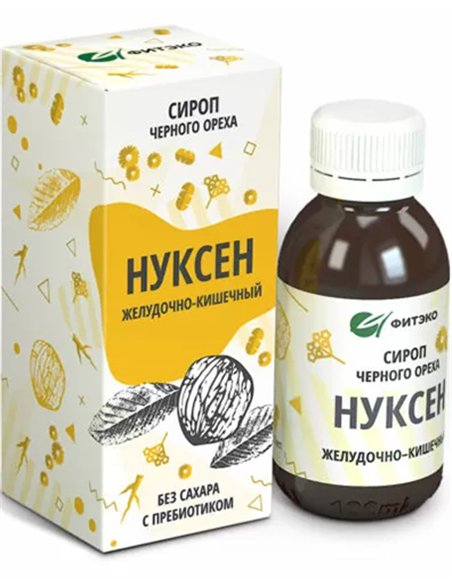
Ingredients: extracts of black walnut fruit, fennel seed, angelica root, Jerusalem artichoke, burnet root, and chamomile; chicory syrup (inulin).
Organoleptic properties (taste, smell, color) may vary between batches, but this does not affect the properties of the balm. These properties are related to the natural characteristics of the plant material (growing region, weather conditions, etc.).
Properties: The biologically active substances in the syrup's plant components help normalize gastrointestinal function, have a bioregulatory effect on the gastric mucosa, normalize gastric motility and enzymatic activity, promote the elimination of toxins from the body, have an anti-inflammatory and analgesic effect in gastrointestinal diseases, stimulate intestinal peristalsis, promote normal bowel movements, have a mild laxative effect, relieve pain and spasms, reduce fermentation and gas formation, eliminate heartburn, nausea, hiccups, and bad breath. They are a source of essential biologically active substances, vitamins, macro- and microelements.
Prebiotic (inulin) stimulates the proliferation and growth of beneficial bifidobacteria, normalizes digestion and intestinal microflora, helps lower blood sugar levels and minimizes the risk of diabetes, improves calcium absorption from food, and cleanses the body of harmful substances.
It is effective as a complementary treatment for gastric and duodenal ulcers, chronic gastritis, enteritis, dyspepsia, intestinal dysbiosis, and chronic colitis.
The effect on the body is due to the plant components included:
Black walnut is a powerful antioxidant and immunomodulator, a strong antifungal, antiparasitic, antibacterial, and antitumor agent, and has blood-purifying, lymph-cleansing, antispasmodic, anti-inflammatory, and wound-healing properties. Improves the functioning of the gastrointestinal tract, pancreas, liver, and kidneys, normalizes metabolism, and compensates for iodine deficiency.
Fennel fruit, also known as "sweet cumin," improves digestion and is used in Ayurvedic treatments for gastritis, stomach ulcers, and other gastrointestinal disorders.
Angelica root has anti-inflammatory, bactericidal, and antifungal properties. It enhances the secretory and motor functions of the gastrointestinal tract, eliminates intestinal fermentation, relieves spasms, increases gastric acidity, improves blood circulation in the gastric mucosa, and accelerates regeneration processes.
Chamomile has anti-inflammatory, hemostatic, antiseptic, astringent, analgesic, sedative, and choleretic effects. Chamomile essential oil has a disinfectant effect and reduces gas formation. It relieves pain, reduces inflammation, and normalizes gastrointestinal dysfunction. It is used for intestinal spasms, gastritis, enteritis, flatulence, and inflammation of the liver and gallbladder.
Jerusalem artichoke is used in folk medicine to restore metabolism in hyperacid gastritis and as an analgesic and anti-inflammatory agent for gastrointestinal diseases.
Burnt root is widely used as an astringent, analgesic, and hemostatic agent in the treatment of gastric ulcers, inflammation of the small and large intestines, acute enterocolitis, gastrogenic and toxic diarrhea, intestinal catarrh, and in the complex treatment of cholecystitis. It has a bactericidal effect.
Directions: Take twice daily with a small amount of water, 30 minutes before meals. Adults: 5 ml; children 3 years and older: 2.5 ml. Duration of use: 25 days. Repeat if necessary, after a 14-day break.
Contraindications: Individual intolerance to any of the ingredients.
Indigestion may occur if you are hypersensitive to the prebiotic (inulin). Increased gas production during the first few days of use indicates a prebiotic effect and the growth of beneficial microflora. Within 5-7 days of regular use, the digestive system adapts and gas production returns to normal.
After opening, refrigerate the bottle for no more than 1 month.
This is not a medicine. Consult a doctor before use.

7930069040507
Tap to zoom